
 Link has been copied to clipboard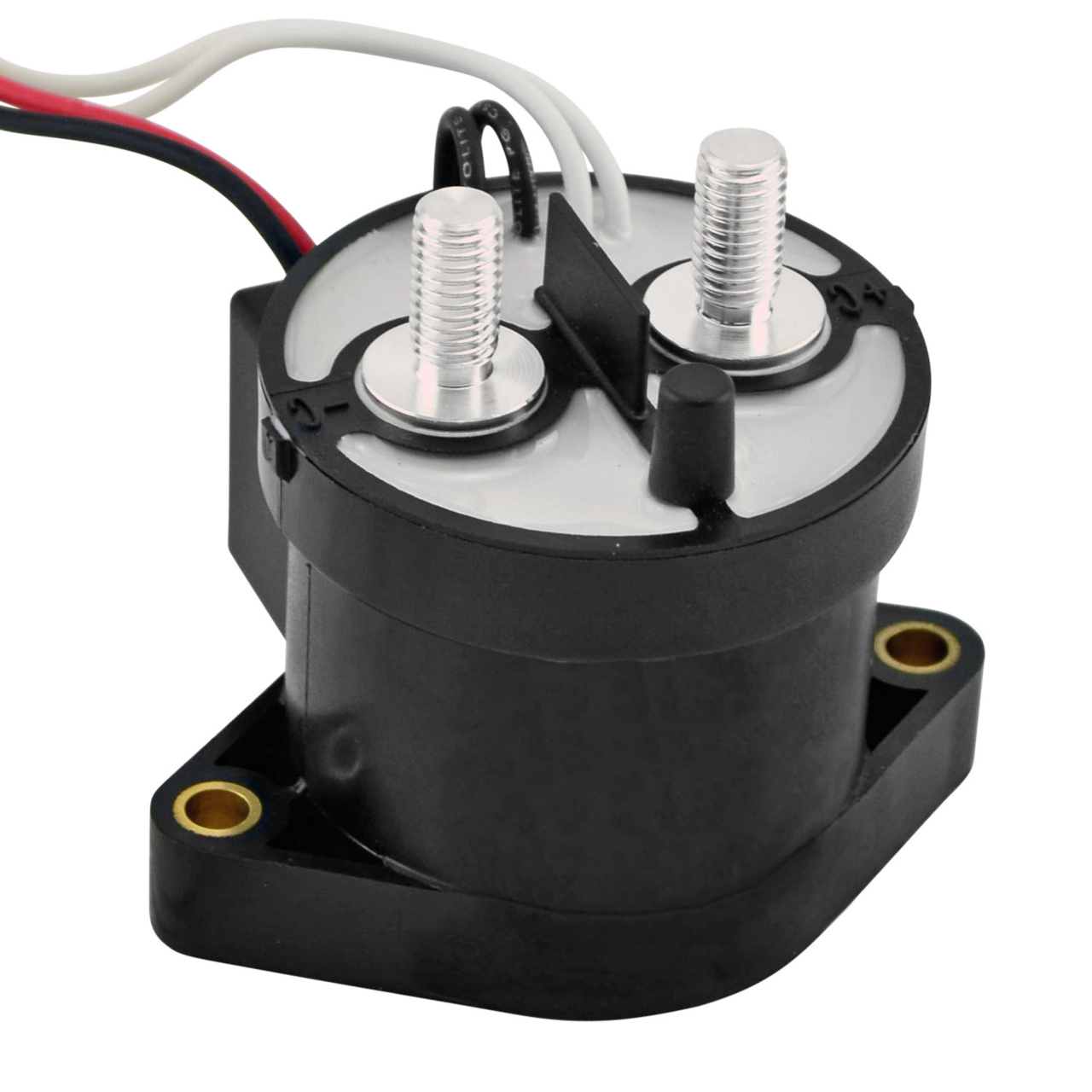


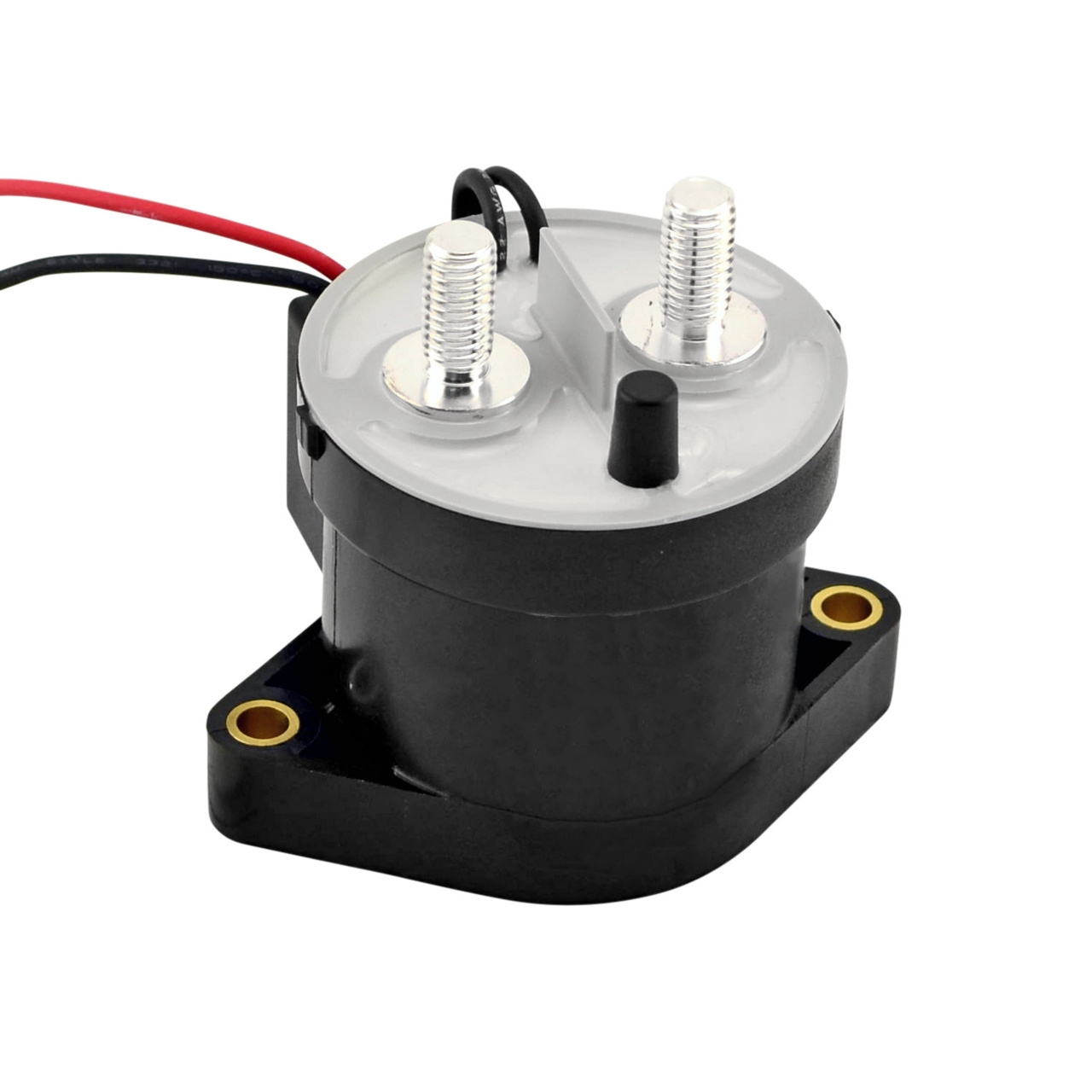

The DCNEV250 Series 900V 250A High-Voltage DC Contactor Relay is designed for electric vehicle (EV) and eMobility applications, including charging station, battery power supply, DC power control, circuit protection, and other switch control applications. The high-current, high-voltage relay can also be used in uninterruptible power supply and other electronic control systems.
A coil economizer greatly reduces coil power and heating after the contactor is energized. Once the contactor is energized, it takes minimal coil power to keep the contacts closed due to Pulse Width Modulation (PWM) reducing the average power delivered by pulsing the electrical signal.
This 250A relay also features a magnetic arc blowout design that dissipates electrical arc between the contacts within an IP67 sealed, gas-filled arc chamber. This design creates a safe EV contactor that allows higher make/break voltages and no electrical arc leakage.
Several configurations are available for the DCNEV250 Series automotive relay, including options with polarized or non-polarized terminals, which allows you to optimize for the polarity of the electrical system. Additional options include configurations with 12-24V dc, 48-72V dc, or 72V dc coil voltage ratings, models with a potted printed circuit board (PCB), and models with or without auxiliary contacts with normally open (NO) or normally closed (NC) circuitry.
- High-current (250A) and high-voltage (900V) DC contactor for electric vehicles (EV) and eMobility applications
- Compact structure helps reduce noise when the contactor is turned on
- Coil economizer greatly reduces coil power and heating with signal pulse width modulation (PWM)
- Arcs between contacts dissipate within a an IP67 sealed, gas-filled chamber, allowing the relay to make or break at higher voltages
- Lightweight actuator is less impacted by gravity with no mounting orientation restrictions
- Designed and manufactured under the IATF16949 certification for Automotive Quality Systems
- Automotive relay features single-pole, single-throw (SPST) circuitry
- Polarized and non-polarized contact options optimize performance depending on electrical system load polarity
DCNEV250 Parts
Link has been copied to clipboard Filters
DCNEV250 Applications
- Battery Electric Vehicles (BEV)
- Hybrid Electric Vehicles (HEV)
- Material Handling
- Electric Maintenance and Transport Vehicles
- Industrial


